Green Thumb Guide: Sustainable Landscaping Practices for an Eco-Friendly Yard Feb 27, 2026
First, it is essential to understand that sustainable landscaping begins with choosing the right plants. Native plants are a fantastic choice because they are adapted to local climate, soil, and pests, which means they typically require less water, fertilizers, and pesticides. These plants not only thrive naturally but also provide habitats for local wildlife, such as birds and beneficial insects, enhancing biodiversity in your landscape.
Water conservation is another key component of sustainable landscaping. Installing a rainwater harvesting system is an excellent way to reduce your water usage. By collecting rainwater in barrels, you can use this natural resource to water your garden. Drip irrigation systems are also highly efficient, directly delivering water to roots and minimizing evaporation, ensuring that every drop counts.
Another eco-friendly practice is grasscycling, the simple act of leaving lawn clippings on the lawn after mowing. Grasscycling not only reduces yard waste but also returns valuable nutrients back to your soil, promoting healthy grass growth without the need for synthetic fertilizers. Speaking of fertilizers, opting for organic fertilizers is another sustainable choice. Organic options break down naturally, improving soil health over time and reducing the risk of chemical runoff into local waterways.
Incorporating elements of xeriscaping is perhaps one of the most effective ways to achieve a sustainable landscape. Xeriscaping involves designing landscapes to reduce or eliminate the need for irrigation. By focusing on drought-resistant plants and reducing lawn areas, homeowners can significantly cut water use. Mulching is another important practice, providing a protective layer that helps retain soil moisture, suppress weeds, and enhance the visual appeal of your garden beds.
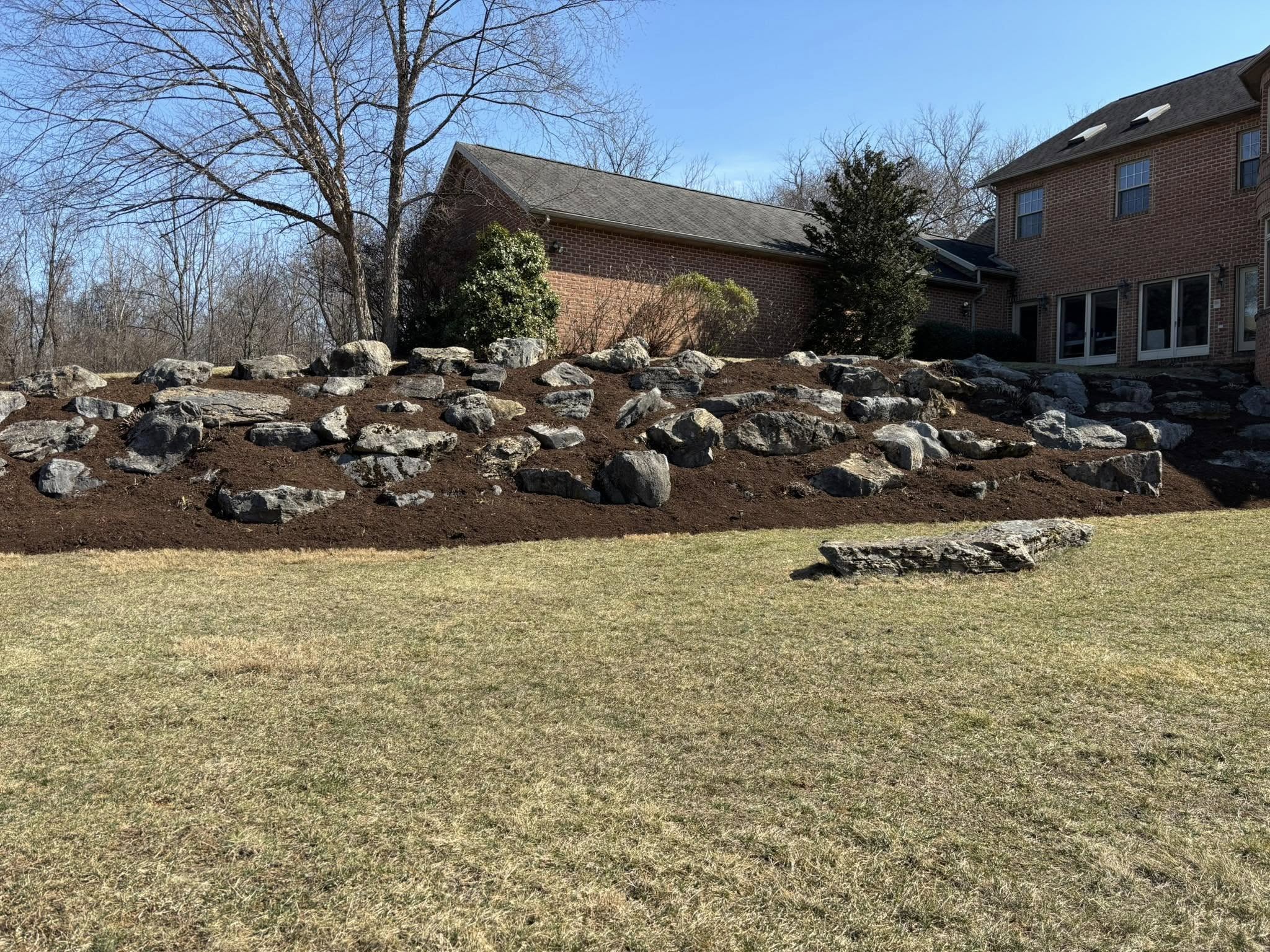
Beyond plant selection and water management, consider the materials used in hardscaping. Choosing sustainable materials for patios, walkways, or retaining walls can have a significant environmental impact. Permeable pavers, for example, allow rainwater to seep into the ground, reducing runoff and promoting groundwater recharge.
Lastly, maintaining a diverse ecosystem in your yard is essential. Encouraging beneficial insects like bees and butterflies through strategic plantings or building a small wildlife habitat can ensure a healthy, balanced garden. Avoid using chemical pesticides, as they can harm beneficial insects and disrupt the ecosystem.
As we look to the future, sustainable landscaping is more crucial than ever. It offers a path not only to eco-friendly and beautiful yards but also to promoting ecological health and resilience. Here at Backyard Acres Lawncare LLC, we are committed to helping you implement these sustainable practices. Join us in making smart landscaping choices that protect our environment and enhance the beauty of your home.
Remember, every small effort counts toward creating an eco-friendly yard. By following these sustainable landscaping practices, you can enjoy a lush, vibrant garden while knowing you're contributing to a healthier planet. Your partnership with Mother Nature is sure to flourish—one green thumb at a time.
/filters:no_upscale()/filters:format(webp)/media/310d5502-248f-4a2c-841a-7e2fb2db4817.jpeg)