The Ultimate Guide to Water-Wise Landscaping: Save Water and Beautify Your Yard Feb 18, 2026
The first step in water-wise landscaping is to assess your current setup. Evaluate your lawn's shape, size, and the types of plants you have. This will provide a clearer picture of areas where you can reduce water usage. Consider replacing water-thirsty plants with drought-tolerant species. Native plants are excellent choices because they are adapted to local climate conditions and require less water and maintenance. Succulents, ornamental grasses, and wildflowers like coneflowers or black-eyed Susans are beautiful options that add texture and color to your garden.
Improving your soil is another critical aspect. Healthy, well-aerated soil with plenty of organic matter retains moisture more effectively. Consider incorporating compost into your lawn care routine. Not only does compost enrich the soil, but it also enhances microbial activity, which improves soil structure and water retention. Implementing a mulching strategy can also help conserve moisture. Mulch reduces evaporation, moderates soil temperature, and suppresses weed growth. Organic mulches like wood chips or bark mulch decompose over time, adding nutrients to the soil.
Efficient irrigation practices are vital for a water-wise landscape. Installing a drip irrigation system is a great approach as it delivers water directly to the plant roots, reducing waste. Timers and smart controllers can optimize watering schedules to ensure that plants receive the right amount of water during cooler times of the day, minimizing evaporation. Avoid watering during windy conditions as this can lead to significant water loss.
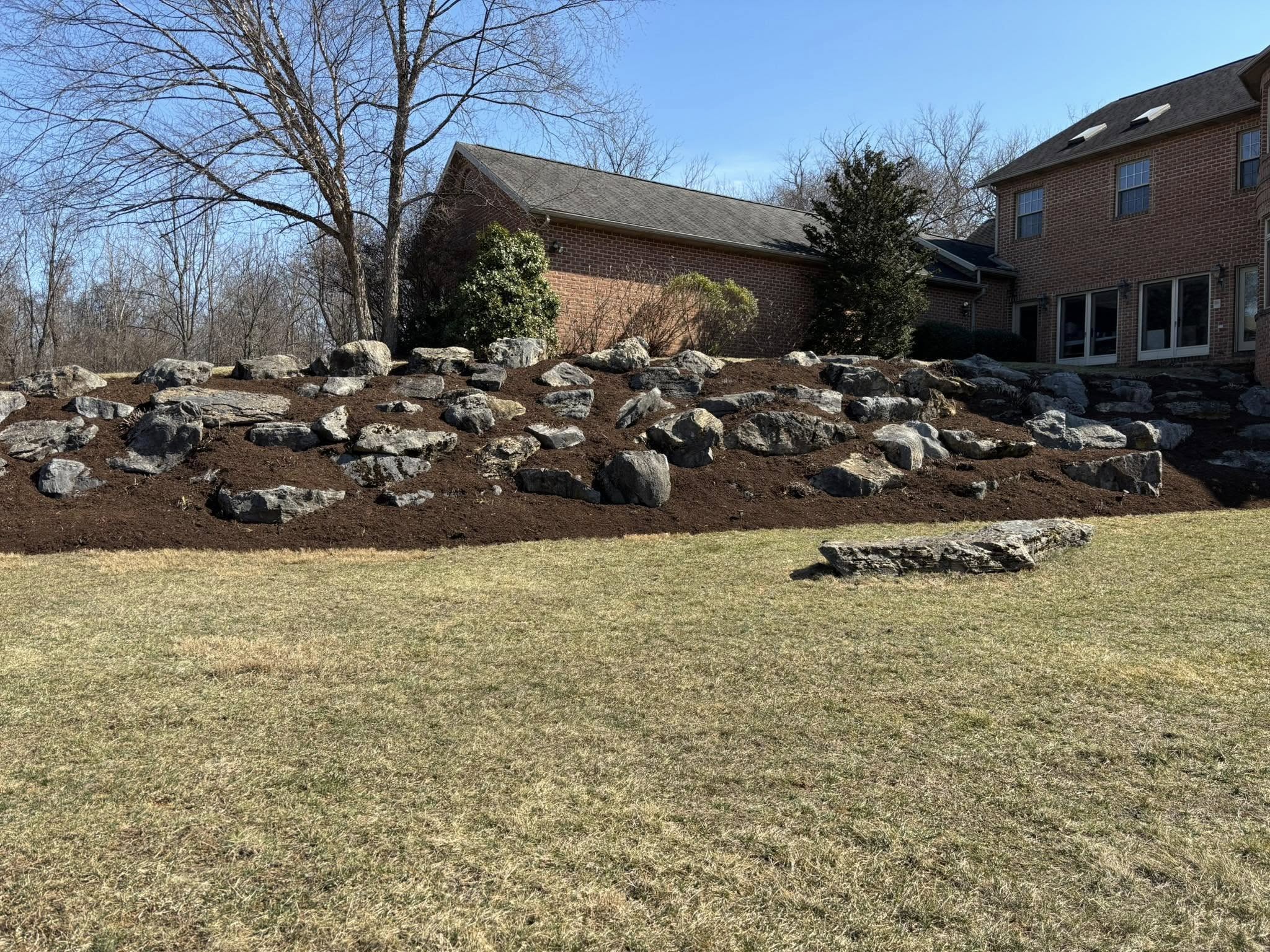
In terms of lawn care, reconsider the size of your grassy areas. Turf grass is one of the most water-intensive elements in conventional landscapes. Instead, create garden beds or install paths with hardscaping elements like gravel, stone, or pavers. Not only do these reduce water requirements, but they also add character and practical functionality to your backyard.
Transforming your backyard through water-wise landscaping also means thinking creatively. Incorporate features such as rain gardens or permeable pavers to manage runoff and rainwater harvesting systems to make use of natural rainfall. These strategies reduce dependence on potable water sources for irrigation.
Finally, it’s essential to plan for maintenance. Water-wise landscaping doesn’t mean zero upkeep, but rather efficient care. Regularly check irrigation systems for leaks or blocks, prune plants to ensure healthy growth, and continue adding organic matter to sustain soil health. Staying committed to these practices will extend the longevity of your water-saving landscape.
In conclusion, embracing water-wise landscaping benefits both the environment and your backyard's aesthetics. By implementing native plants, superior soil management, efficient watering techniques, and creative planning, you can significantly reduce water consumption without sacrificing beauty. At Backyard Acres Lawncare LLC, we're here to guide you every step of the way, turning sustainable ideas into tangible, beautiful landscapes. Let's join hands in this green endeavor and make your yard a model of water conservation and beauty.
/filters:no_upscale()/filters:format(webp)/media/310d5502-248f-4a2c-841a-7e2fb2db4817.jpeg)